Bank of England Holds Rates at 3.75% but Warns Energy Prices Could Force a Rise
 Admin
2 min read
Admin
2 min read
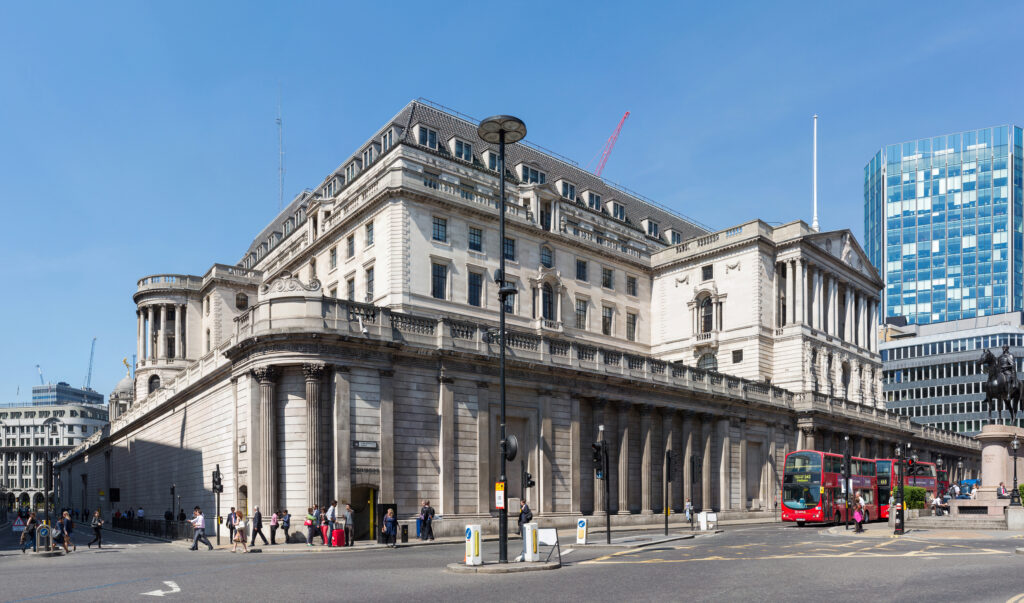
The Bank of England’s Monetary Policy Committee voted 6-3 to hold Bank Rate at 3.75% at its meeting concluding on 16 September, according to the Bank’s own monetary policy summary. The three dissenters — Huw Pill, Catherine L Mann and Megan Greene — voted instead for an immediate quarter-point increase to 4%.
The closeness of the vote reflects a central bank increasingly worried about inflation that is rising rather than falling. UK CPI inflation reached 3.1% in August, and the Bank now expects it to climb further, to around 3.75% in the final quarter of 2026 and slightly above 4% in early 2027.
Energy Prices Are Doing the Damage
The Committee was explicit about the cause. Its minutes state that “protracted conflict in the Middle East has contributed to further increases in crude and refined energy prices since the previous meeting, which remain more volatile and higher than pre-conflict.” The Bank noted Brent crude had risen 36% since its previous report and UK wholesale gas prices had jumped 78% over the same period, with Brent reaching $106 a barrel by 14 September.
Governor Andrew Bailey put the risk plainly: “So far, higher global energy costs have had a limited effect on price and wage setting in the UK. But the longer this volatility persists, the bigger the impact it will have on inflation, and the more likely it is we will need to raise Bank Rate to ensure that inflation falls back to our 2% target.”
Why This Matters Beyond the Rate Itself
A hold at 3.75% keeps existing borrowing costs for mortgages, credit cards and business loans unchanged for now, but the size of the dissent and the Bank’s own language suggest that could change quickly if energy prices stay high. The Committee flagged particular concern about whether elevated costs start feeding into wage negotiations ahead of 2027 pay talks, which would make an inflation problem stickier and harder to reverse.
The backdrop is the wider disruption to global energy markets from the conflict involving Iran, which has affected shipping and crude supply well beyond the UK and is now shaping policy decisions at central banks across Europe and the United States simultaneously.
What Comes Next
With three of nine committee members already voting to raise rates and the Bank’s own forecasts pointing to inflation above 4% by early next year, the September hold looks more like a pause than a settled position. Whether the next move is up will depend largely on how long the current energy price volatility lasts, and whether it starts showing up in UK wage growth.