Federal Reserve Raises Rates to 3.75%–4% as Kevin Warsh Breaks With Pressure to Cut
 Admin
2 min read
Admin
2 min read
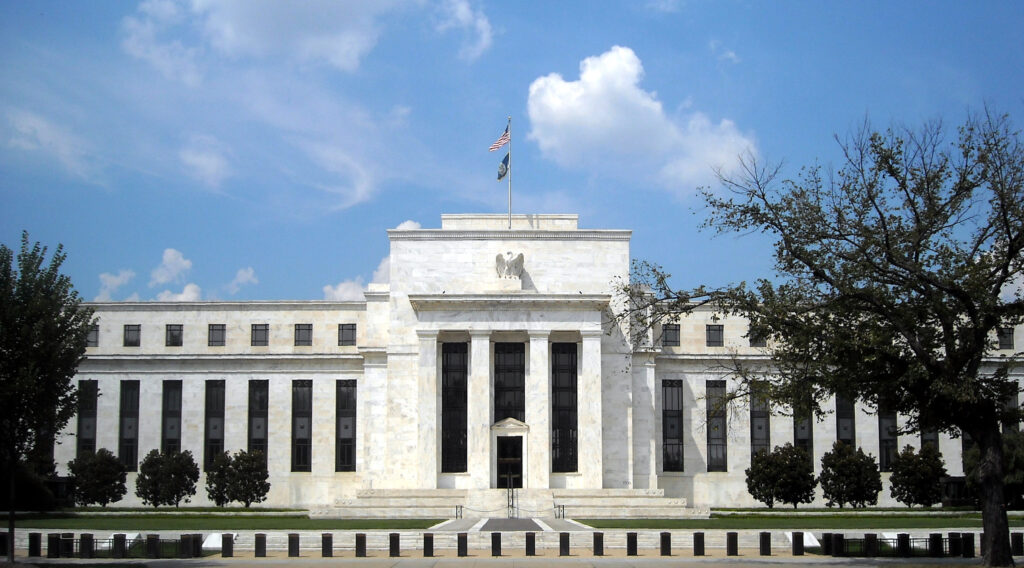
The Federal Reserve raised its benchmark interest rate by a quarter of a percentage point on 16 September, taking the target range to 3.75%–4% in a unanimous 12-0 vote by the Federal Open Market Committee. It was the Fed’s first rate increase since 2023, according to Fox Business.
The move is notable partly because of who made it. Kevin Warsh, who took over as Fed Chair earlier this year, had been widely expected — including by the White House — to steer the central bank towards lower rates. Instead, he cited inflation that has stayed above target for too long.
Warsh’s Reasoning
Speaking after the decision, Warsh said “the plain fact is that inflation is too high and has been for too long,” adding that the Fed remained “unwavering in our vital and straightforward purpose, full employment and price stability,” according to Fox Business’s report of his press conference. He also said the decision came “at a time when the American economy appears to be strengthening.”
The committee’s updated projections showed most participants expect at least one further rate increase before the end of the year, suggesting the Fed sees this move as the start of a tightening phase rather than a one-off adjustment.
Why a Hike, Not a Cut
The decision runs counter to the rate-cutting path many investors had priced in following Warsh’s appointment. It also lands against a backdrop of renewed inflation pressure tied to the ongoing conflict involving Iran, which has pushed global energy prices sharply higher in recent months and complicated the outlook for every major central bank, not just the Fed.
For borrowers, a higher federal funds rate typically feeds through into higher costs on variable-rate loans, credit cards and new mortgages in the United States. For savers, it tends to support higher returns on cash deposits. A firmer dollar, often a side effect of higher U.S. rates, can also make imported goods cheaper but weigh on the competitiveness of American exporters.
What to Watch Next
With most FOMC members pointing to further tightening this year, attention now turns to incoming inflation and employment data to see whether the Fed follows through. Warsh has also set up internal task forces this year covering the Fed’s balance sheet, data sources and its inflation framework, whose recommendations are due before year-end and could shape how the central bank responds if energy-driven inflation persists.