Asian Stocks Head for Weekly Losses as Iran Conflict and Rising Oil Prices Shake Markets
 Admin
3 min read
Admin
3 min read
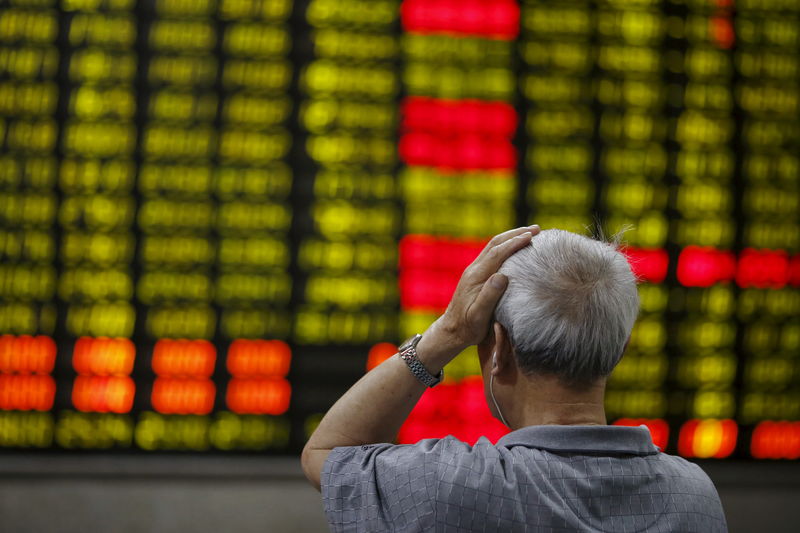
Asian stock markets were mixed in Friday trading but remain on course for sharp weekly declines as escalating tensions in the Middle East and a surge in crude oil prices dampen investor confidence across the region.
Market sentiment has been heavily affected by the ongoing conflict involving Iran, Israel, and the United States, which has raised fears of a wider regional confrontation and potential disruptions to global energy supplies.
The uncertainty surrounding the conflict has triggered volatility across global financial markets, with Asian equities particularly sensitive to rising energy costs.
Oil Price Surge Weighs on Regional Markets
Crude oil prices have risen sharply this week as traders price in the possibility that escalating tensions could disrupt supply from the Middle East. Oil has climbed more than 15% during the week, reflecting concerns about energy exports from one of the world’s most important production regions.
One of the key concerns among investors is the stability of the Strait of Hormuz, a strategic shipping route through which roughly one-fifth of the world’s oil supply passes. Any disruption to this corridor could have a significant impact on global energy markets and trigger even higher crude prices.
Higher oil prices tend to put pressure on Asian economies because many countries in the region rely heavily on imported energy.
South Korea’s Market Among the Hardest Hit
South Korean equities have been particularly vulnerable to the recent market turmoil. The KOSPI index fell roughly 1% in Friday trading and is heading toward a weekly drop of nearly 12%, one of its steepest declines in years.
South Korea’s economy is highly dependent on international trade and energy imports, making it especially sensitive to spikes in oil prices and global economic uncertainty.
Recent market volatility has also been intensified by a sharp reversal in technology and semiconductor stocks, which have been a major driver of the Korean market’s recent gains.
Mixed Performance Across Other Asian Markets
Elsewhere in the region, markets showed mixed performance but remain on track for weekly losses.
Japan’s Nikkei 225 managed to post a modest gain during Friday’s session, though the index is still heading toward a weekly decline of around 6%.
Chinese markets have also been under pressure. The Shanghai Composite and CSI 300 indexes are expected to end the week lower as investors weigh geopolitical risks alongside slowing economic data.
Meanwhile, Hong Kong’s Hang Seng Index rose during the session but is still expected to record a weekly decline of roughly 3%.
The uneven performance across markets reflects a broader pattern of cautious trading as investors attempt to assess the potential economic impact of the conflict.
Global Markets Feeling the Impact
The ripple effects of the Middle East tensions are being felt far beyond Asia. Global equities have also come under pressure as investors move toward safer assets amid geopolitical uncertainty.
Rising oil prices are also increasing concerns about inflation. Higher energy costs tend to feed through into transportation, manufacturing, and consumer prices, potentially complicating the policy outlook for central banks.
For policymakers such as the U.S. Federal Reserve, the possibility of renewed inflationary pressure could make decisions around interest rate cuts more difficult.
Energy Markets Remain the Key Driver
Energy markets remain the primary focus for investors watching the conflict. If the situation escalates further and disrupts shipping lanes or production facilities in the Middle East, crude prices could climb even higher.
Conversely, any signs of diplomatic progress or de-escalation could ease fears of supply disruptions and stabilize energy prices.
For now, traders remain cautious as the geopolitical situation continues to evolve.
Outlook for Asian Markets
Looking ahead, Asian equities are likely to remain highly sensitive to developments in the Middle East and movements in oil prices.
Countries that depend heavily on imported energy—such as South Korea and Japan—could face additional pressure if crude prices continue to rise.
While Friday’s mixed trading suggests markets may be stabilizing in the short term, the broader outlook for the week remains negative as investors digest the economic implications of the ongoing conflict.
For many traders, the next phase of market direction will depend largely on geopolitical developments and the trajectory of global energy prices.