Gold Holds Near $4,340 as Traders Brace for a Longer Run of Fed Rate Rises
 Admin
2 min read
Admin
2 min read
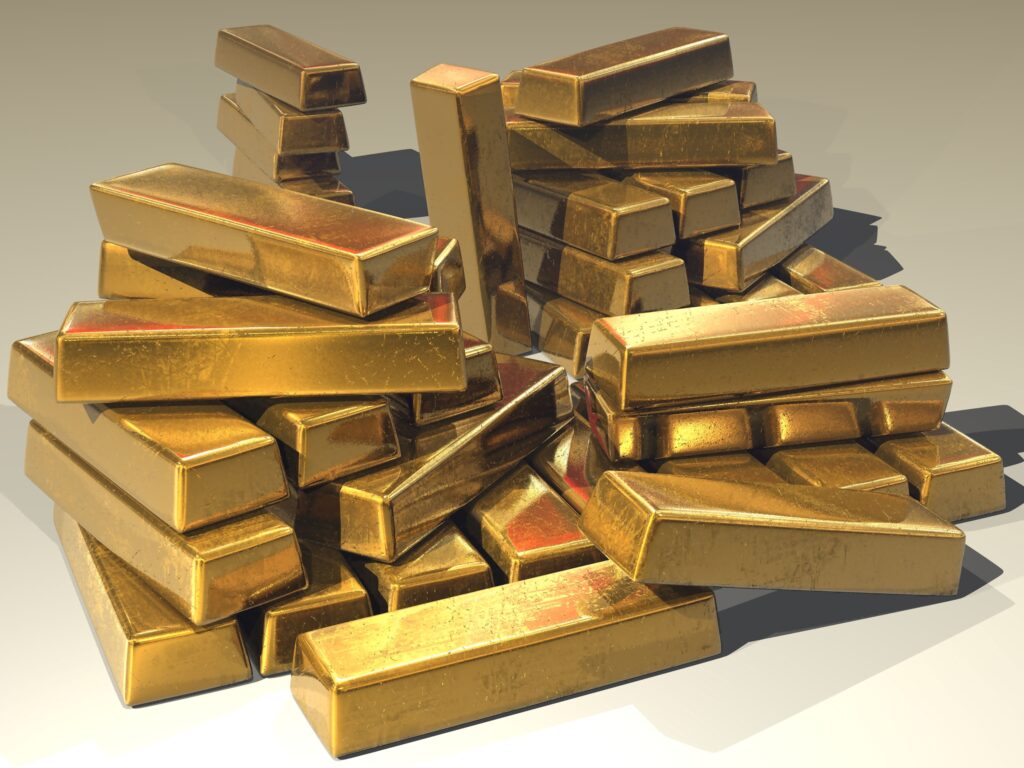
Spot gold traded little changed at $4,344.29 an ounce as of 0151 GMT on 22 September, with US gold futures at $4,381.80, as expectations that the Federal Reserve will keep raising interest rates continued to weigh on the metal, according to a market report carried by Business Recorder.
The Fed had raised its benchmark rate by 0.25 percentage points the previous week and signalled further increases could follow. St. Louis Fed President Alberto Musalem said the central bank “will likely need to hike rates further to lower inflation resulting from strong demand as well as a commodity price shock.”
Why Higher Rates Weigh on Gold
Gold pays no interest or dividend, so it tends to lose relative appeal whenever bonds and cash offer higher yields. A “higher for longer” rate path — where borrowing costs stay elevated for an extended period rather than falling quickly — makes yield-bearing assets more attractive by comparison, which is why gold struggled to gain traction even amid ongoing tension in the Middle East.
Chris Weston, head of research at Pepperstone, linked gold’s fortunes to the oil market: “While crude has come modestly off its recent highs, a reversal higher that builds inflation expectations would only intensify the rates story, and gold would likely continue to face headwinds.”
Other Precious Metals Firmer
Elsewhere in precious metals, silver rose 0.3% to $66.19 an ounce, platinum gained 0.3% to $1,792.76, and palladium climbed 0.3% to $1,305.10 — all posting modest gains even as gold itself stalled.
The divergence underlines how narrowly gold’s recent moves have been dictated by the US rates outlook specifically, rather than by the broader haven demand that typically lifts the whole precious-metals complex together. For investors, that suggests gold’s next significant move is likely to hinge on incoming US inflation and employment data rather than sentiment alone.